What Happens Below the Surface When a Tree Stump Is Left to Rot? Insights from a Stump Removal Company in Palatine, Illinois
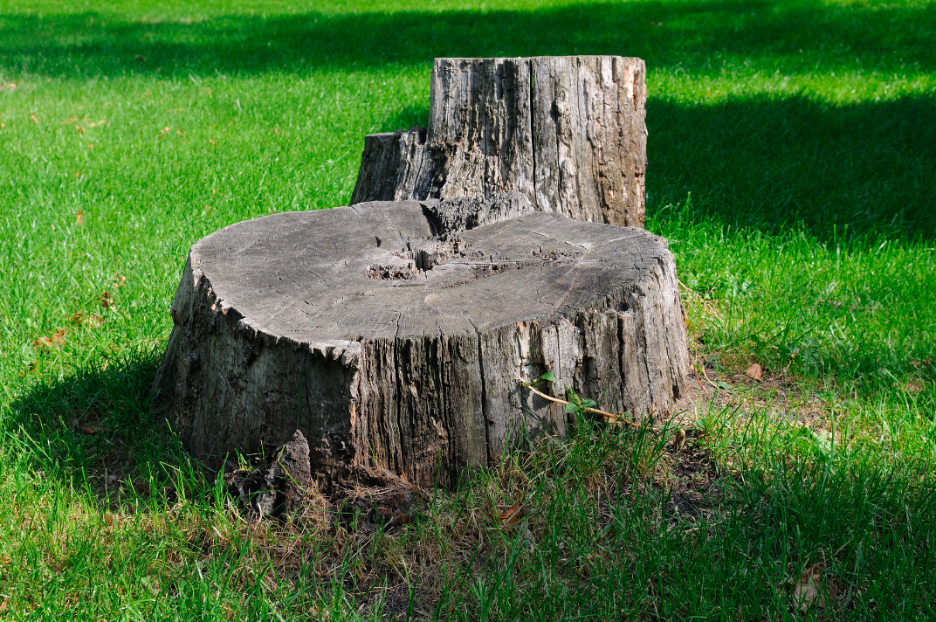
After removing a tree from their property, many homeowners choose to leave the stump where it is. After all, it seems small and harmless from above. But what most people don’t realize is that the stump is far from inactive. There are some major changes still happening underground.
Below the surface, the stump and its roots are still very much part of your yard. In fact, the soil around them can start to change long before you notice anything strange above ground. With that in mind, this stump removal company in Palatine, Illinois is going to explain what happens below the surface when a stump is left to rot naturally.
Why is that old stump still there years later?
It is a common misconception that a tree stump will rot away within a few years. The process is much slower.
Wood that is exposed above ground breaks down faster because it gets plenty of air and moisture. But underground conditions slow the process. There is less oxygen in the soil, which slows decomposition and keeps the wood dense for longer.
On top of that, the roots spread under the soil and effectively anchor the stump in place. This underground structure slows the decay even more, which is how a stump can remain intact for many years after the tree itself is gone.
What problems can a rotting stump cause?
Even after a tree has been removed, its roots don’t immediately die. They can actually stay alive for years by using stored energy below the surface. They can even push up small shoots near the old stump.
As wood decays, fungi are usually the first to move in. These fungi slowly break down both the stump and the roots over time. Along with fungi, decaying wood also attracts insects. Pests like ants, beetles and termites can move inside the stump for shelter and food. And once they are there, they can spread toward nearby structures, even your house.
As the wood decays underground, the condition of your yard can start to change as well. The soil above the stump can sink. This creates uneven ground that makes mowing more difficult and increases the risk of someone tripping or falling.
Old roots can also interfere with new growth. Because they take up space and nutrients beneath the soil, grass and plants can struggle to grow in these areas. This is why you may see thin or bare patches in your yard.
For all these reasons, many homeowners turn to a professional stump removal company in Palatine, Illinois. They can take care of the leftover stump in the best way possible.
At what point does stump rot become a problem?
Stump decay does not usually cause problems overnight. Instead, the problems appear slowly over time. For example, you may first notice mushrooms growing around the stump area or see more insects than usual in that area of the yard.
Even the ground above the stump can start to feel soft underfoot and some areas may sink suddenly. These changes happen as the wood below the surface continues to break down and collapse.
The damage does not appear all at once. It develops slowly. And by the time it becomes noticeable, the problem is harder to manage. Although a stump will eventually rot away on its own, there is no clear timeline. Meanwhile, the side effects can interfere with how you use your yard.
This is why you should consider working with an experienced stump removal company in Palatine, Illinois. They can remove the stump and the main roots to prevent soil issues and reduce the risk of pests.
Looking for a stump removal company in Palatine, Illinois?
Do you have a stump in your yard and you have no idea what to do with it? If so, and if you want to consult with a professional stump removal company in Palatine, Illinois, Brown Tree Service Inc. is here to help. Our team of ISA-certified arborists can remove the stump and address the roots below the surface. Contact us today to request a free estimate.