How Do I Know If a Tree Needs to Be Removed? A Tree Removal Company in Long Grove, Illinois Explains
Removing a tree from your yard is not always an easy decision. Some trees can be pruned, treated, supported, or monitored, while others become too damaged, unstable, or unhealthy to keep safely on the property. The challenge is knowing which situation you are dealing with. A tree may look concerning but still have a chance to recover, or it may appear mostly normal while hiding serious structural problems.
Below, this tree removal company in Long Grove, Illinois is going to highlight some of the warning signs that a tree may need to be removed.
The Tree Is Dead or Dying
One of the clearest reasons to consider removal is when a tree is dead or in serious decline. A dead tree will not recover, and over time, its branches and trunk can become weaker.
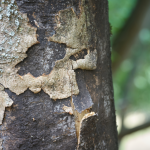
Warning signs may include a bare canopy during the growing season, brittle branches, peeling bark, no new leaf growth, or large sections of dieback. If most of the tree is no longer living, removal may be the safest option.
Large Branches Are Dead or Falling
A few dead branches do not always mean the entire tree needs to come down. However, large dead limbs can create safety concerns, especially when they hang over a home, driveway, sidewalk, patio, parking area, or other high-use space.
Dead branches can break without much warning. If a tree is dropping limbs or has several large branches that are no longer healthy, it should be inspected by a professional.
The Tree Is Leaning More Than It Used To
Some trees naturally grow at an angle. A lean is not always a problem if the tree has been stable for years. However, a new or worsening lean can be a sign of root damage, soil movement, trunk weakness, or structural instability.
Property owners in the Long Grove area should pay attention if a tree suddenly leans after heavy rain, high winds, construction work, or changes around the root zone. A leaning tree should be evaluated before it becomes more dangerous.
There Are Cracks, Cavities, or Decay in the Trunk
The trunk gives the tree much of its strength and support. If the trunk has deep cracks, large cavities, soft wood, fungal growth, or visible decay, the structure of the tree may be compromised.
Some trunk defects can be monitored, while others may indicate that removal should be considered. An experienced tree removal company in Long Grove, Illinois can inspect the trunk and help you understand whether the tree is still structurally sound.
The Roots Are Damaged
Roots are essential to a tree’s stability and health. If the roots are damaged, decayed, cut, compacted, or exposed, the tree may not be able to anchor itself properly or absorb what it needs from the soil.
Root problems can be difficult to see, but there may be warning signs. These can include soil lifting, fungal growth near the base, thinning foliage, sudden leaning, or dieback in the canopy. Root damage should be taken seriously because it can affect the entire tree.
Disease Has Spread Too Far
Some tree diseases can be managed when they are caught early. However, if disease has spread through the canopy, trunk, or root system, the tree may not be able to recover.
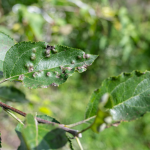
A tree with severe disease may show widespread leaf loss, large dead sections, cankers, bark damage, fungal growth, or rapid decline. In some cases, removal may also help protect nearby trees from the same problem.
The Tree Was Damaged by a Storm
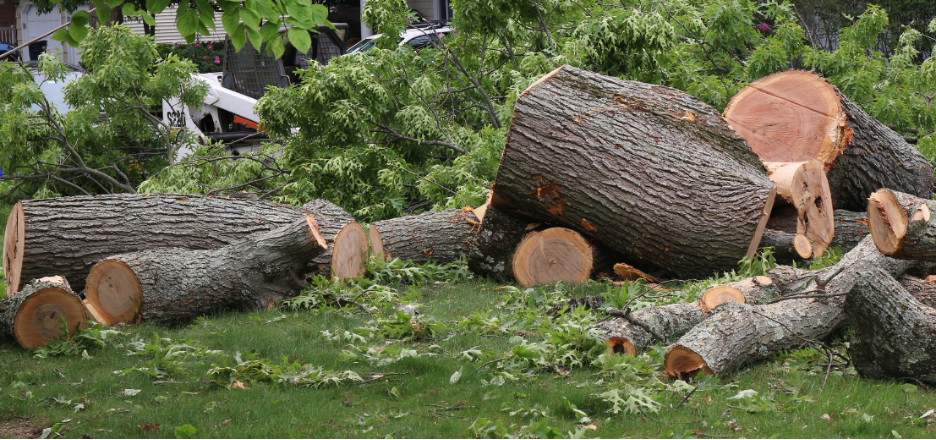
Storm damage can leave a tree unstable even if part of it is still standing. Broken limbs, split trunks, torn bark, exposed roots, and cracked branch unions can all affect the tree’s safety.
After a storm, it is important to look beyond the most obvious damage. A tree may have internal cracks or weakened attachment points that are not easy to see from the ground. Your tree removal company in Long Grove, Illinois can evaluate whether the tree can be safely preserved or whether removal is the better option.
The Tree Is Too Close to Structures or Utilities
Sometimes a tree may need to be removed because of where it is growing. A tree that is too close to a building, roofline, driveway, walkway, fence, or utility area can create long-term problems if it no longer fits the space.
This does not mean every close-growing tree needs to be removed. However, if the tree is damaging property, interfering with access, or creating a safety concern, it should be evaluated.
A Professional Inspection Can Help You Decide
Tree removal should not be based on guesswork. The condition of the trunk, roots, branches, canopy, and surrounding property all matter.
Common signs that a tree should be inspected include:
- A dead or thinning canopy
- Large dead branches
- A new or worsening lean
- Cracks or cavities in the trunk
- Fungal growth near the base
- Root damage
- Storm damage
- Structural weakness
A professional inspection can help determine whether the tree should be removed or whether another tree care option may be appropriate.
Looking for a Tree Removal Company in Long Grove, Illinois?
A tree may need to be removed if it is dead, severely diseased, structurally weak, badly damaged, leaning, dropping large limbs, or creating a safety concern near your property. If you are unsure whether a tree can stay or should come down, a professional tree removal company in Long Grove, Illinois can inspect the tree and explain your options.
At Brown Tree Service Inc., we provide tree removal and arborist services for residential and commercial properties throughout Long Grove and the surrounding communities. Contact us to schedule an appointment.