Can a Tree Care Company Help Save a Diseased Tree? Insights from a Tree Care Company in Palatine, Illinois
A diseased tree does not always need to be removed, but it should be evaluated carefully. Some tree health problems can be managed when they are caught early, while others may be too advanced by the time symptoms become obvious.
Because disease can affect the roots, trunk, branches, leaves, and overall structure of a tree, the right solution depends on what is causing the decline. Below, this tree care company in Palatine, Illinois is going to explain how a licensed arborist can help determine whether a diseased tree can be saved.
Can a Diseased Tree Be Saved?
Yes, some diseased trees can be saved, especially when the problem is identified early and the tree is still structurally sound. The best approach depends on the type of disease, the tree species, the amount of damage, and the overall condition of the tree.
A tree that still has strong structure, healthy growth, and manageable symptoms may respond well to care. A tree with major decay, severe dieback, or safety concerns may need a different recommendation.
A professional evaluation is the best way to understand what options are available.
What Are Common Signs of a Diseased Tree?
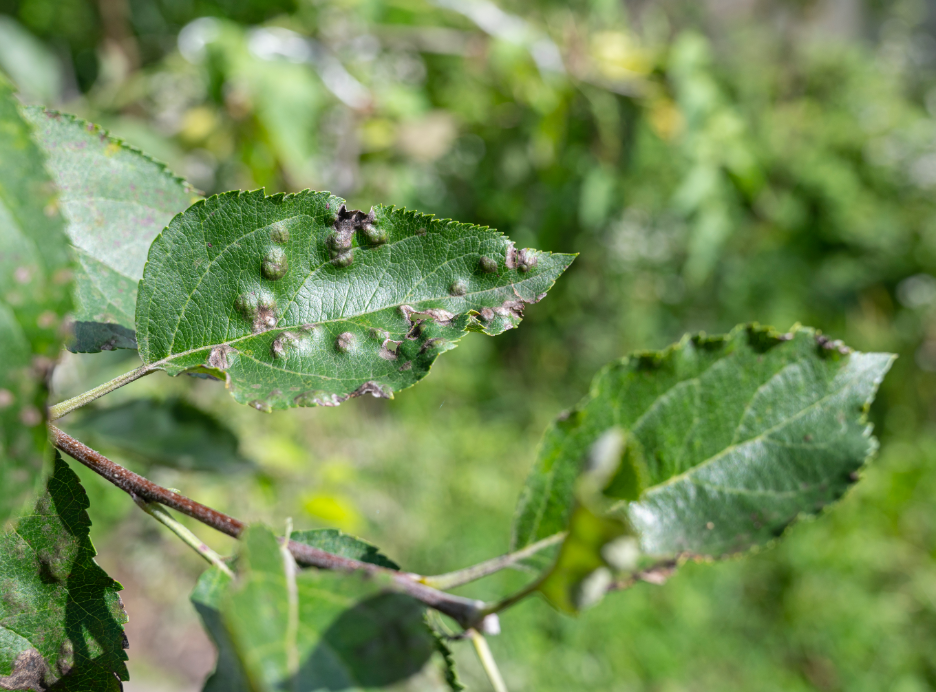
Common signs of a diseased tree include dead branches, thinning leaves, discolored foliage, peeling bark, fungal growth, soft or decaying wood, cracks, cankers, oozing sap, and unusual growth patterns.
Some signs are easy to see from the ground, while others are more subtle. A tree may look mostly healthy but still have internal decay, root stress, insect activity, or early disease symptoms.
Your local tree care company in Palatine, Illinois can inspect the tree more closely and look for problems that may not be obvious at first glance.
Why Is Early Detection Important?
Early detection is important because tree diseases are often easier to manage before they spread throughout the tree. Once disease affects large portions of the canopy, trunk, or root system, the tree may have fewer treatment options.
Catching problems early may allow for pruning, soil improvements, pest or disease management, or other corrective steps. Waiting too long can allow the issue to progress and weaken the tree further.
Early action can also help protect nearby trees if the disease or pest problem can spread.
How Does an Arborist Evaluate a Diseased Tree?
An arborist evaluates a diseased tree by looking at the canopy, branches, trunk, bark, root flare, surrounding soil, and overall growing conditions. They may look for signs of decay, stress, insect activity, poor structure, root damage, disease symptoms, or environmental problems.
The inspection also considers where the tree is located. A diseased tree near a home, driveway, sidewalk, street, or outdoor living area may need extra attention because of the potential safety risk.
The goal is to understand both the tree’s health and the risk it may pose.
Can Pruning Help a Diseased Tree?
Yes. Pruning can help a diseased tree when dead, damaged, or diseased branches need to be removed. Removing affected branches can reduce stress on the tree and may help limit the spread of certain problems.
Pruning must be done carefully. Removing too much at once, making improper cuts, or cutting the wrong branches can create additional stress and make the tree more vulnerable.
For properties in the Palatine area, professional pruning can be an important part of a tree health plan.
Can Tree Disease Be Treated?
Some tree diseases and pest-related issues can be managed with the right treatment plan. Treatment may involve disease management, insect control, soil care, root protection, pruning, watering adjustments, or other recommendations based on the tree’s condition.
Not every disease has the same treatment options. Some problems can be slowed or managed, while others may cause irreversible damage.
A careful diagnosis is important before deciding what to do.
How Do Soil and Root Health Affect Recovery?
Soil and root health play a major role in whether a diseased tree can recover. Even if the visible symptoms are in the branches or leaves, the underlying issue may involve compacted soil, poor drainage, root damage, lack of nutrients, or environmental stress.
Healthy roots help the tree take in water and nutrients. When roots are damaged or stressed, the tree may have a harder time recovering from disease or insect pressure.
A good tree care company in Palatine, Illinois can evaluate the growing conditions around the tree and recommend steps that support long-term health.
Can Cabling or Bracing Help a Diseased Tree?
Cabling or bracing may help in some cases when a tree has weak branch structure, multiple trunks, storm damage, or areas of concern that need added support. These systems are not a cure for disease, but they may be part of a broader care plan for certain trees.
If the tree is structurally weak but still worth preserving, support systems may help reduce movement and lower the risk of limb failure.
An arborist can determine whether cabling or bracing is appropriate based on the tree’s condition and location.
When Is Removal the Better Option?
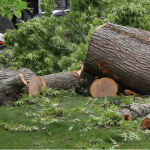
Removal may be the better option when the tree is severely diseased, structurally unsafe, mostly dead, or unlikely to recover. A tree may also need to be removed if decay has compromised the trunk or major limbs.
Safety is always part of the decision. If a diseased tree could fall or drop large branches near people, buildings, vehicles, or utility areas, removal may be recommended.
A tree care plan should balance preservation with safety.
Looking for a Tree Care Company in Palatine, Illinois?
A diseased tree may be saved if the problem is caught early, the tree is still structurally sound, and the right care plan is put in place. If you notice dead branches, leaf discoloration, fungal growth, bark damage, decay, or other signs of decline, a qualified tree care company in Palatine, Illinois can evaluate the tree and recommend the next step.
At Brown Tree Service Inc., our certified arborists provide tree health evaluations, disease management, pruning, root care, preventive maintenance, cabling, bracing, and other tree care solutions. Contact us to find out whether your diseased tree can be treated, preserved, or safely removed.