Can an Arborist Help Save a Diseased Tree? Insights from a Tree Care Company in Arlington Heights, Illinois
A diseased tree does not always need to be removed right away. In some cases, the problem can be managed if it is identified early and the tree still has enough healthy structure, foliage, and root support to recover.
The challenge is that tree disease is not always easy to diagnose from the ground. Symptoms may appear in the leaves, bark, branches, trunk, roots, or overall growth pattern, and different problems can look similar at first.
Below, this tree care company in Arlington Heights, Illinois is going to explain how an arborist can evaluate a diseased tree and determine whether it may be possible to save it.
An Arborist Can Identify the Problem
The first step in helping a diseased tree is understanding what is truly wrong. A tree may be affected by fungal disease, insect activity, root stress, poor soil conditions, drought stress, mechanical damage, or a combination of issues.
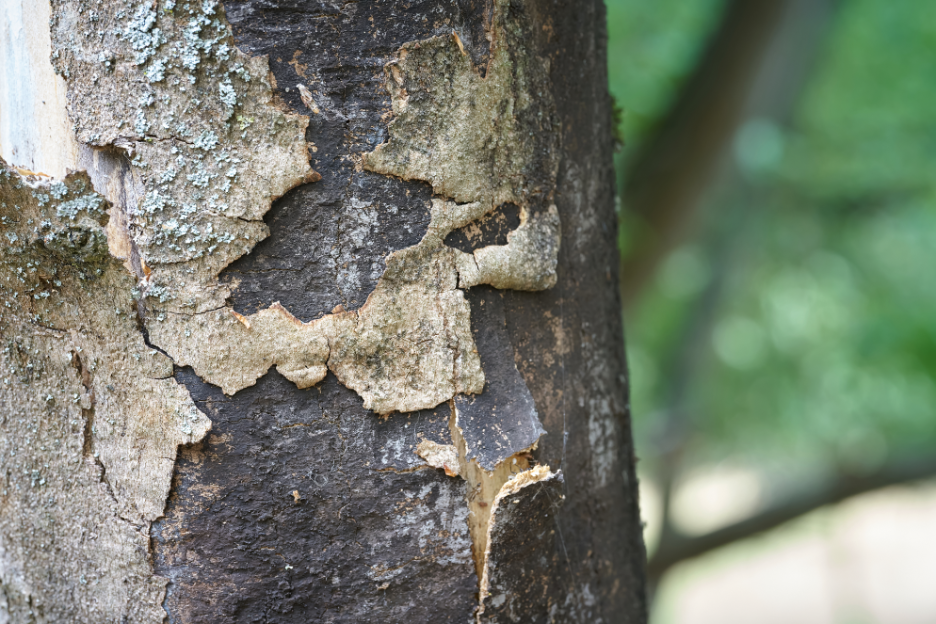
An arborist can inspect the tree and look for signs that may not be obvious to the property owner. These may include leaf discoloration, thinning canopy, dead branches, cankers, bark damage, fungal growth, insect activity, root flare problems, or changes in the way the tree is growing.
Early Detection Can Make a Big Difference
Tree problems are often easier to manage when they are caught early. If a disease has only affected part of the tree, there may be more options available than if the problem has spread throughout the trunk, canopy, or root system.
Property owners in the Arlington Heights area should pay attention to changes in tree appearance. If a tree suddenly drops leaves, develops dead branches, shows unusual spots on the leaves, or looks thinner than normal, it may be time to have it evaluated before the decline becomes more advanced.
Not Every Diseased Tree Can Be Saved
While an arborist may be able to help some diseased trees recover, not every tree can be saved. If the disease has severely weakened the structure, damaged the trunk, affected the roots, or created a safety concern, removal may be the more responsible option.
This is one reason a professional inspection matters. A tree may look bad but still have a reasonable chance of recovery. Another tree may look mostly intact but have serious internal decay or structural weakness. An experienced tree care company in Arlington Heights, Illinois can help you understand the difference.
Pruning May Help Reduce Diseased Growth
In some cases, pruning can help remove dead, damaged, or diseased branches. This may reduce stress on the tree and help limit the spread of certain problems.
However, pruning must be done carefully. Removing too much at once, cutting in the wrong location, or pruning at the wrong time can create additional stress. A certified arborist can determine which branches should be removed and how the pruning should be approached based on the tree species, condition, and disease concern.
Soil and Root Health Matter
A tree’s health depends heavily on what is happening below ground. Root damage, compacted soil, poor drainage, nutrient deficiencies, and limited growing space can all make a tree more vulnerable to disease.
If the roots are stressed, the tree may struggle to defend itself or recover from damage. Your tree care company in Arlington Heights, Illinois can evaluate whether soil conditions, root problems, or surrounding site conditions are contributing to the tree’s decline.
Treatment Depends on the Diagnosis
There is no single treatment that works for every diseased tree. The right plan depends on the type of disease, the tree species, the severity of the problem, the time of year, and the overall health of the tree.
A tree care plan may involve pruning, disease management, insect management, soil care, root care, watering recommendations, or other corrective steps. The goal is to support the tree based on what it truly needs, not to apply a one-size-fits-all solution.
The Tree’s Structure Should Be Evaluated
Health is only one part of the decision. Structure matters too. A diseased tree may have weak limbs, decay, cracks, cavities, or trunk damage that affects safety.
If the tree is near a home, driveway, sidewalk, patio, utility line, or high-use area, structural issues should be taken seriously. An arborist can evaluate whether the tree is stable enough to keep or whether it creates too much risk for the surrounding property.
Ongoing Observation May Be Needed
Even after treatment or corrective care, a diseased tree may need to be monitored. Some trees respond well and begin showing signs of recovery, while others continue to decline.
Common things to watch for include:
- New leaf growth
- Canopy fullness
- Branch dieback
- Bark condition
- Fungal growth
- Insect activity
- Changes in leaning or cracking
These signs can help determine whether the tree is improving or whether a different plan may be needed.
Looking for a Tree Care Company in Arlington Heights, Illinois?
An arborist may be able to help save a diseased tree if the problem is identified early, the tree is structurally sound, and the right care plan is put in place. If you are concerned about the condition of your trees, a professional tree care company in Arlington Heights, Illinois can inspect them explain your options.
At Brown Tree Service Inc., we provide tree care and arborist services for residential and commercial properties throughout Arlington Heights and the surrounding communities. Contact us to schedule an appointment and find out what we can do to protect your trees.