What Branches Should Be Removed During Tree Trimming? A Tree Trimming Company in Wilmette, Illinois Explains
Tree trimming is not just about making a tree look cleaner. The right cuts can help improve tree structure, reduce safety concerns, remove unhealthy growth, and allow the tree to continue developing in a healthier way.
Because improper trimming can damage a tree for years, it is important to understand which branches should be removed and which should be left alone. Below, this tree trimming company in Wilmette, Illinois is going to explain what branches are commonly removed during professional tree trimming.
What Is the Goal of Tree Trimming?
The goal of tree trimming is to support the health, safety, structure, and appearance of the tree. Proper trimming removes selected branches that are dead, damaged, diseased, poorly positioned, or interfering with the tree’s growth.
Tree trimming should be done carefully. Removing too much at once or cutting the wrong branches can stress the tree and make it more vulnerable to disease, decay, pests, or structural problems.
A good trimming plan considers the tree species, age, condition, location, and long-term growth.
Should Dead Branches Be Removed?
Yes. Dead branches should usually be removed because they no longer contribute to the tree’s health and may eventually break or fall.
Deadwood can also make the tree look unhealthy and may create safety concerns near homes, sidewalks, driveways, streets, patios, or other outdoor areas. Removing dead branches can improve the tree’s appearance and reduce the risk of falling limbs.
A professional tree trimming company in Wilmette, Illinois can identify deadwood and remove it without making unnecessary cuts.
Should Diseased Branches Be Removed?
Yes. Diseased branches may need to be removed when trimming can help limit the spread of the problem or reduce stress on the tree.
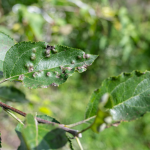
Signs of disease can include discolored leaves, cankers, fungal growth, peeling bark, dieback, unusual swelling, or weak branch sections. Not every disease is handled the same way, which is why the tree should be evaluated before trimming begins.
Removing diseased branches properly can be one part of a larger tree care plan.
Should Broken or Storm-Damaged Branches Be Removed?
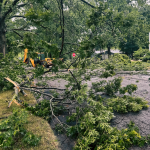
Broken or storm-damaged branches should often be removed because they can be unstable. A cracked limb, hanging branch, or partially detached section may fall unexpectedly.
Storm damage can also leave torn bark or jagged wounds that make the tree more vulnerable to decay. Proper trimming can clean up damaged areas and help the tree recover more effectively.
For properties in the Wilmette area, storm-damaged trees should be inspected carefully before damaged limbs are cut.
Should Crossing or Rubbing Branches Be Removed?
Yes. Crossing or rubbing branches are often removed because they can damage each other as the tree moves in the wind.
When branches rub together, they can create wounds in the bark. These wounds may make it easier for decay, insects, or disease to affect the tree. Removing one of the competing branches can help protect the structure of the tree.
A certified arborist can decide which branch should stay based on strength, placement, and future growth.
Should Branches Growing Toward a Structure Be Removed?
Branches growing toward a house, garage, roof, fence, utility area, or other structure may need to be trimmed back. Overgrown limbs can scrape surfaces, block access, drop debris, or create safety concerns during storms.
The goal is not to remove every nearby branch, but to create appropriate clearance while preserving the tree’s natural form. Careful trimming can reduce conflicts between the tree and surrounding property.
A good tree trimming company in Wilmette, Illinois can help create clearance without over-pruning the tree.
Should Low-Hanging Branches Be Removed?
Low-hanging branches may need to be removed or raised when they interfere with walking paths, driveways, lawns, patios, streets, parking areas, or visibility.
This type of trimming is often called crown raising. It should be done carefully so the tree does not become unbalanced or lose too many lower branches at once.
The right amount of clearance depends on where the tree is located and how the surrounding space is used.
Should Sucker Growth Be Removed?
Yes. Sucker growth is often removed during trimming. Suckers are fast-growing shoots that may appear near the base of the tree, along the trunk, or from major limbs.
These shoots can take energy away from the tree’s stronger structure and may make the tree look crowded or poorly maintained. Removing sucker growth can help redirect energy toward healthier branches.
Sucker removal is often part of routine pruning and shaping.
Should Weak or Poorly Attached Branches Be Removed?
Weak or poorly attached branches may need to be removed if they create structural concerns. Branches with narrow angles, included bark, cracks, or heavy end weight may be more likely to fail over time.
A tree does not always show obvious signs that a branch is weak from the ground. An arborist can look at the branch connection and determine whether trimming, support, or another recommendation is appropriate.
Removing weak branches can help reduce the risk of future breakage.
Looking for a Tree Trimming Company in Wilmette, Illinois?
During tree trimming, branches that are dead, diseased, broken, crossing, rubbing, weak, overgrown, or growing too close to structures may need to be removed. If you are unsure which branches should stay and which should be cut, a tree trimming company in Wilmette, Illinois can evaluate the tree and recommend the safest approach.
At Brown Tree Service Inc., our certified arborists provide professional tree trimming, pruning, shaping, preventive maintenance, and other tree care services. Contact us to schedule trimming that supports your tree’s health, structure, and long-term growth.